
status: draft intended_publish_date: "2026-07-07" client: Towers Plumbing content_type: blog title: "What Does a Water-Heater Relief Valve Do in a Draper Home?" seo_title: "Water Heater Relief Valve in Draper | Towers Plumbing" meta_description: "Learn the safety role of a water-heater relief valve and when visible concerns in a Draper home need professional review." primary_keyword: "water heater relief valve Draper UT" service_area: "Draper, UT" review_required: true citations:
- "https://www.energy.gov/energysaver/water-heating" rubric_score: verdict: REVISE must_pass: "18/18 writing checks" should_pass: "8/10" nice_to_have: "1/5" failing_musts: [] failing_shoulds: ["Live internal-link insertion and media verification deferred"] banned_practice_violations: []
What Does a Water-Heater Relief Valve Do in a Draper Home?
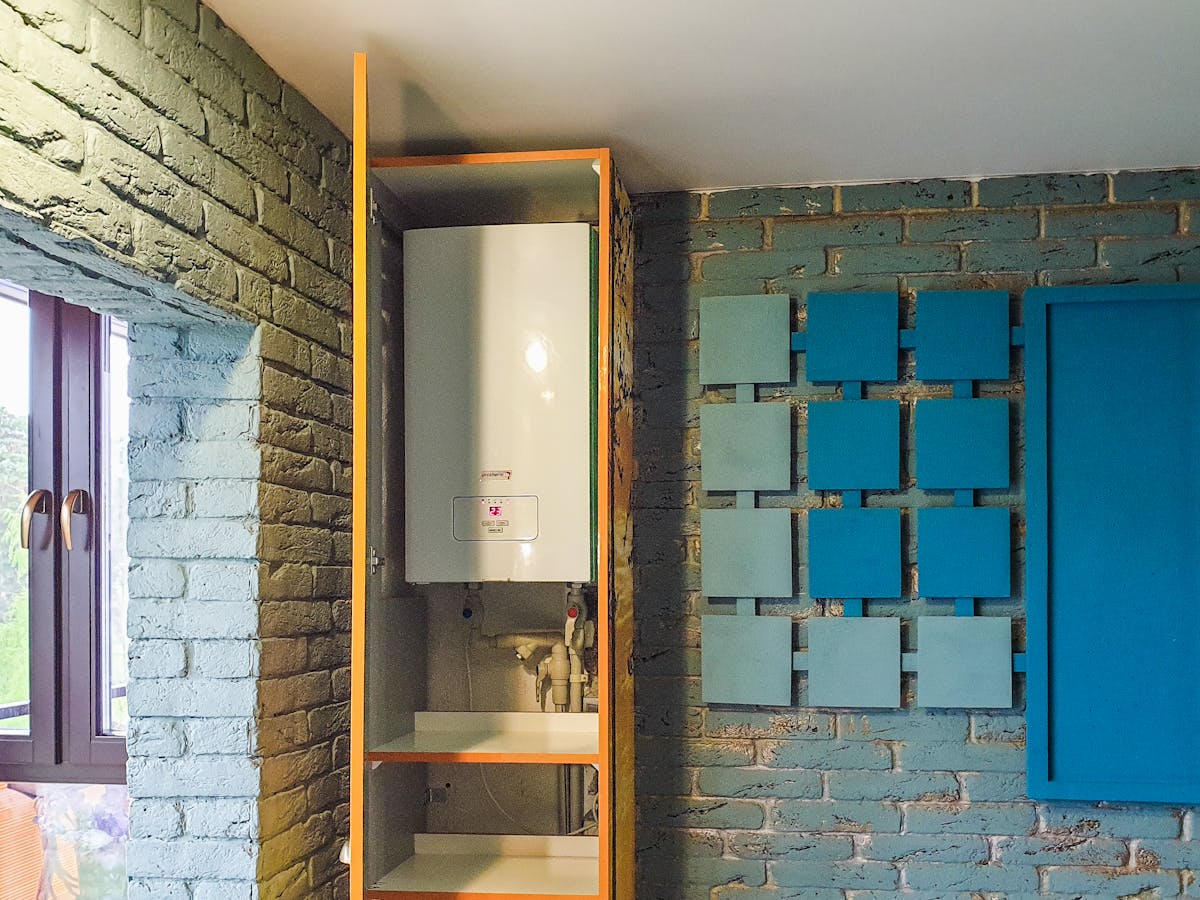
A water heater has components that support its safe operation, including a temperature-and-pressure relief valve. When a homeowner notices piping, discharge, corrosion, or another visible concern near that valve, the safest response is not to adjust it. A water heater relief valve in Draper should never be capped, plugged, tied off, or modified. Visible concerns are a reason for professional review, not a do-it-yourself repair project.
This article describes the valve's safety role at a high level and explains what can be observed safely. It does not diagnose a water heater, determine why a valve is discharging, or tell you to test, open, repair, or replace any component. Do not remove covers, change temperature settings, or perform gas, electrical, or plumbing work to investigate the issue.
The safety role of a relief valve
The temperature-and-pressure relief valve is a safety component associated with the water heater. Its purpose relates to temperature and pressure conditions in the system. The exact equipment, installation, discharge arrangement, and condition need to be evaluated in context. The U.S. Department of Energy provides general background on water heating, but a general source cannot inspect a particular Draper home.
Because the valve is a safety component, it should not be treated as a nuisance part to silence or bypass. Capping, plugging, blocking, or modifying it can create serious risk. If you notice water or a problem near the valve, do not attempt to stop it by altering the valve or discharge path. Arrange service so a qualified professional can evaluate the actual equipment and installation.
What you can observe safely
You can look at accessible, exterior conditions without touching the valve or removing any part of the water heater. Note whether there is visible moisture, corrosion, a drip, a discharge pipe, staining, or water on the surrounding floor. Record when you first noticed it and whether the condition is recurring or appears after a period of hot-water use.
Keep the observation factual. "There is water on the floor near the water heater" is useful. "The relief valve has failed" is a conclusion that needs professional inspection. A visible discharge can have multiple possible explanations, and the location of water may not identify its source.
If water is near electrical equipment, avoid the wet area. Do not operate switches, remove panels, or try to dry internal equipment. Follow appropriate electrical safety guidance and seek professional help. The CPSC electrical-safety guidance offers general safety information; it does not replace an on-site evaluation.
What not to do
The most important rule is simple: do not cap, plug, or modify a relief valve. Do not attach improvised fittings, tape, or a container designed to block discharge. Do not test the valve, pull a lever, or attempt to reset it based on an online video. Do not alter a discharge line or decide it is unnecessary.
Also avoid opening the water heater, adjusting internal controls, changing gas connections, resetting electrical equipment, or trying to identify a component yourself. Water heaters can involve high temperatures, pressure, electricity, gas, and plumbing connections. A professional evaluation is the appropriate next step when a safety-related component appears to need attention.
Why a visible drip needs review
A visible drip or moisture near a water heater may come from more than one location. It may involve a connection, a discharge path, condensation, a nearby plumbing issue, or another condition. A plumber needs to inspect the equipment and surrounding area to determine what is relevant. A blog post cannot tell you the source from a photo or a description.
Do not assume that the water is harmless because it is small in volume or intermittent. Document the pattern and protect the area from people, pets, and belongings as practical. If the water is near electrical equipment or creates a slip hazard, keep clear of the area and communicate that concern when requesting service.
Safe preparation for a service visit
Make the water-heater area accessible without opening panels or moving equipment. Keep a clear path for the technician and keep children and pets away from the workspace. If there is a known, accessible shutoff that you have used safely before, follow the service provider's instructions before operating it. Never force an unfamiliar, stuck, or damaged valve.
Write down the visible observations: when the condition began, whether it is constant or intermittent, where water appears, whether the home has hot-water changes, and whether there are any unusual sounds or odors. If the model, serial, fuel, or capacity label is visible without moving anything or removing a panel, record it. Do not reach into cramped or wet spaces to obtain information.
Inspection threshold in a Draper home
Arrange professional review when you see discharge, moisture, corrosion, damage, an altered valve, or anything you are uncertain about near the relief valve. A technician can inspect the valve, water heater, discharge arrangement, and related conditions using the appropriate safety procedures. The service recommendation should be based on the actual system rather than an assumption that every drip has the same cause.
If there is a gas odor, smoke, a burning smell, water near electrical equipment, or another immediate hazard, prioritize safety. Avoid the area and use the appropriate utility, emergency, or professional guidance. Do not keep operating the water heater to see whether the condition changes.
Do not confuse the discharge path with a repair
Some water heaters have visible piping associated with the relief valve. Its presence does not mean a homeowner should alter, redirect, shorten, extend, or seal it. The installation and discharge arrangement are part of the overall system and need to be reviewed in context. A change that looks like a simple improvement can create a safety problem or make an inspection less clear.
If a pipe is loose, damaged, missing, or appears unusual, take a safe photo from a distance if the area is dry and accessible, then provide it to the service team if requested. Do not touch the piping to test it. Do not place a bucket or container where it could interfere with safe movement around the water heater.
Keep children and pets clear
A water-heater area is not a good place for children or pets when there is an active concern. Keep the path clear and avoid storing items against the equipment. This protects the household and helps a technician reach the system without moving unstable or wet belongings.
If the concern is in a closet or confined area, do not crowd the opening to inspect it. State that access is limited when you call. The service team can advise on the safe next step based on the condition you describe.
Document without touching
Useful notes include the date, the room where the water heater is located, the visible condition, and any change in hot-water experience. You can also note whether there was recent work near the unit or a recent interruption in normal use. These observations do not establish cause, but they help the technician decide what to inspect.
Do not use a screwdriver, wrench, tape, or other tool on a relief valve, connected pipe, or water-heater panel. A problem near a safety component should remain a professional inspection issue.
Use the same rule after prior service
Even if the water heater was recently serviced, a new visible concern near a relief valve should not be handled with a homeowner adjustment. Share the service date and any paperwork you have with Towers Plumbing. The technician can use that context while inspecting the actual system. A recent visit does not make a new discharge, leak, corrosion concern, or wet area safe to ignore or modify.
Keep the equipment area unchanged until the professional can inspect it safely.
If the condition changes before the visit, record the time and visible change from a safe distance. Do not use that change as a reason to test, adjust, or modify the valve.
Help Towers Plumbing start with useful facts
When contacting Towers Plumbing for a Draper water-heater concern, state that the issue is near the relief valve and describe only what you can see safely. Mention water on the floor, visible discharge, corrosion, an altered component, or a wet electrical-area concern. Include when it began and whether the home has noticed a change in hot-water performance.
This information helps the team prepare for an inspection. It does not require you to diagnose the issue, test the valve, or change settings. Keeping the component untouched is the safer choice until it can be evaluated.
Frequently asked questions
Can I cap a relief valve that is dripping?
No. Never cap, plug, or modify a relief valve. A visible concern needs professional review.
Can I test the valve myself?
Do not test, pull, adjust, or modify it. The valve is a safety component, and a qualified professional should evaluate concerns.
What should I tell the plumber?
Describe visible moisture, discharge, corrosion, the location of water, timing, hot-water changes, and any safety concern. Do not remove panels to gather more information.
What if water is near electrical equipment?
Avoid the wet area and do not operate switches or equipment there. Seek appropriate professional or emergency guidance.