
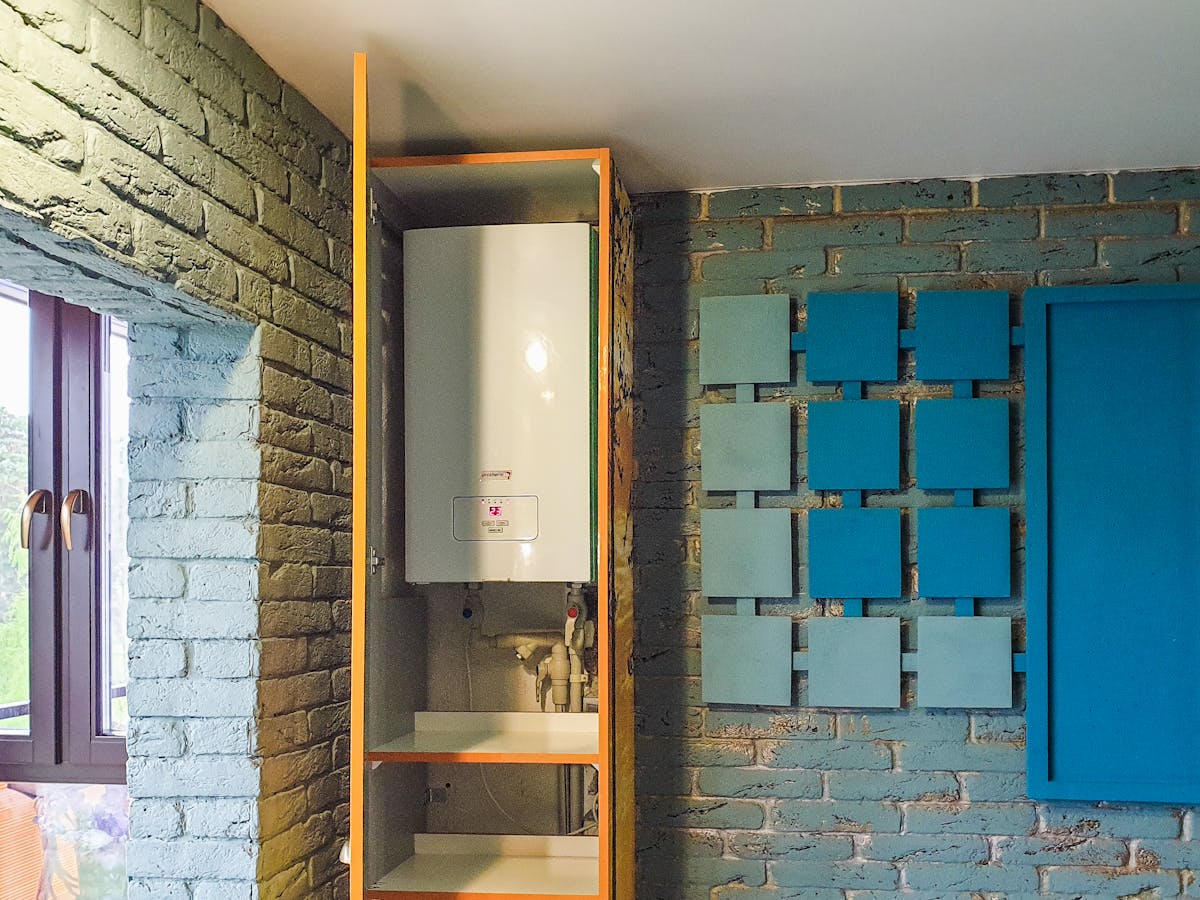
A new water-heater sound in a Lehi home can be unsettling, but sound alone is not a diagnosis. It may be noticed during hot-water use, after normal use, or at another time. The safest first step is to make a short record of what was heard and when it occurred, then let a qualified professional evaluate the equipment and property conditions.
Do not open the water heater, remove a cover, reset a breaker, adjust gas equipment, drain the tank, change a setting, or modify a valve to investigate a sound. Water heaters can involve hot surfaces, pressure, electrical components, fuel, and installation-specific conditions. An online label for a sound cannot establish what is happening in a particular home.
Check safety before collecting details
If there is a gas odor, smoke, burning smell, water near electrical equipment, or another immediate safety concern, do not stay to identify the sound. Step away and seek appropriate emergency or professional help. The CPSC's electrical safety guidance supports keeping distance from wet or damaged electrical conditions.
For a non-urgent concern, observe from a safe, dry position. Do not try to make the sound happen again. Let normal household use provide the context. A short note from an ordinary shower, laundry cycle, or dishwashing period is more useful than repeated testing.
If the sound seems to come from a nearby pipe, wall, or equipment area, describe the general location without touching or moving anything. A qualified technician can determine what access and inspection are appropriate.
Use plain words for the sound
Write down whether the sound was a hum, click, pop, hiss, rattle, vibration, or another description that feels accurate. Note whether it was brief, intermittent, or continuous. Include whether it happened during hot-water use, after use, or at an unrelated time.
Avoid technical conclusions. "A brief humming sound occurred while hot water was used" is useful. "A component is failing" is not yet established. Technical words are often applied loosely online, and more than one condition can exist at the same property.
Also record whether the sound was accompanied by a changed hot-water pattern, visible moisture, or an unusual odor. These facts can help a service conversation, but they still do not identify a cause.
Record the normal-use pattern
For one or two ordinary periods, note which fixtures or activities were using hot water and whether the sound appeared. Say whether the concern seemed tied to one fixture or occurred when several household activities overlapped.
Keep the record factual:
- Date and approximate time
- Description and general location of the sound
- Whether it was brief, recurring, or ongoing
- Normal hot-water activities underway
- Fixtures or rooms involved
- Safely visible moisture, odor, or change in operation
- Recent plumbing, appliance, or household-use changes
This list is not a repair checklist. It helps Towers Plumbing decide which questions and observations are useful during an on-site assessment.
Collect only accessible equipment information
If a model label is already visible, record the model number, serial number, fuel type, and capacity. Do not move equipment, reach behind it, remove a panel, or access concealed electrical information. If a label is not safely visible, leave that detail for the service visit.
The Department of Energy's water-heating guidance offers broad technical context about water-heating systems. It does not diagnose a sound, set a repair path, or determine a replacement decision for a Lehi home. Existing invoices, manuals, and service records may be helpful if they are readily available, but they are not a reason to delay a call.
Note the unit location and practical access conditions, such as a garage, utility room, closet, stairs, pets, or stored items. Clear only loose household items from a safe route. Do not change the installation or touch connected piping, wiring, or venting.
Avoid testing shortcuts
New sounds often prompt homeowners to flush, drain, reset, or adjust something. Those actions can introduce risk or alter the original condition. Do not reset breakers repeatedly, open electrical covers, relight or adjust gas equipment, change temperature settings, or manipulate a relief valve.
A relief valve must not be capped, plugged, or modified. A drain pan can limit some water damage but does not diagnose a sound or repair an active condition. A safe service record protects the household from turning an observation into an unsupported repair project.
If the condition changes while you are waiting, add the new time and observation to the note. Do not replace the earlier entry or try to force the original sound to return. A timeline is more useful than a recreated symptom.
Make the service request clear
When contacting Towers Plumbing, lead with any safety issue, then describe the sound, the timing, normal hot-water use, and anything else safely observed. Share accessible model information and access constraints if you have them. Ask what should remain untouched before the visit.
The appropriate next step depends on the equipment, installation, and property conditions found during evaluation. At editorial review, this post may link to water-heater service only after confirming that destination is current and does not redirect.
A calm next step for Lehi homeowners
A water heater making a new sound in Lehi is a reason to preserve facts and seek professional assessment when it is new, recurring, changing, or paired with a safety concern. Towers Plumbing can evaluate the actual system. Until then, keep the equipment untouched, avoid unsafe experimentation, and treat a general guide as preparation for service rather than a diagnosis.
Keep one shared observation record
When more than one household member notices the sound, put each observation in the same short timeline. Differences in timing can be valuable: one person may hear it during a shower while another notices it later in the day. Record those facts without deciding that they identify separate problems or a single cause.
If the sound stops before the service visit, retain the original notes. A quieter period does not necessarily explain what happened earlier. The professional can decide which details matter after considering the water heater, normal demand pattern, and property conditions.
Keep access preparation modest
If the route to the equipment is dry and safe, move ordinary loose items such as a basket or box. Leave all equipment, connected pipes, electrical components, venting, and controls as found. Tell the service team about a closet, garage, stairs, gate, pets, or any other access detail instead of trying to solve it yourself.
This preparation is deliberately simple. It helps a qualified visit begin smoothly while avoiding the risks of moving or altering installed water-heater equipment. A clear route and an honest timeline are enough.
Keep the next decision property-specific
If a service visit identifies an issue, ask what was observed and what information supports the recommendation. A sound, an online label, or a general age rule should not be treated as a standalone decision. The installed water heater, its access, household pattern, and actual condition must guide the next step.
Keep any written explanation with the original timeline. This allows future conversations to distinguish a verified finding from an early observation. It also avoids repeating the same uncertainty through several calls or changing equipment between assessments.