
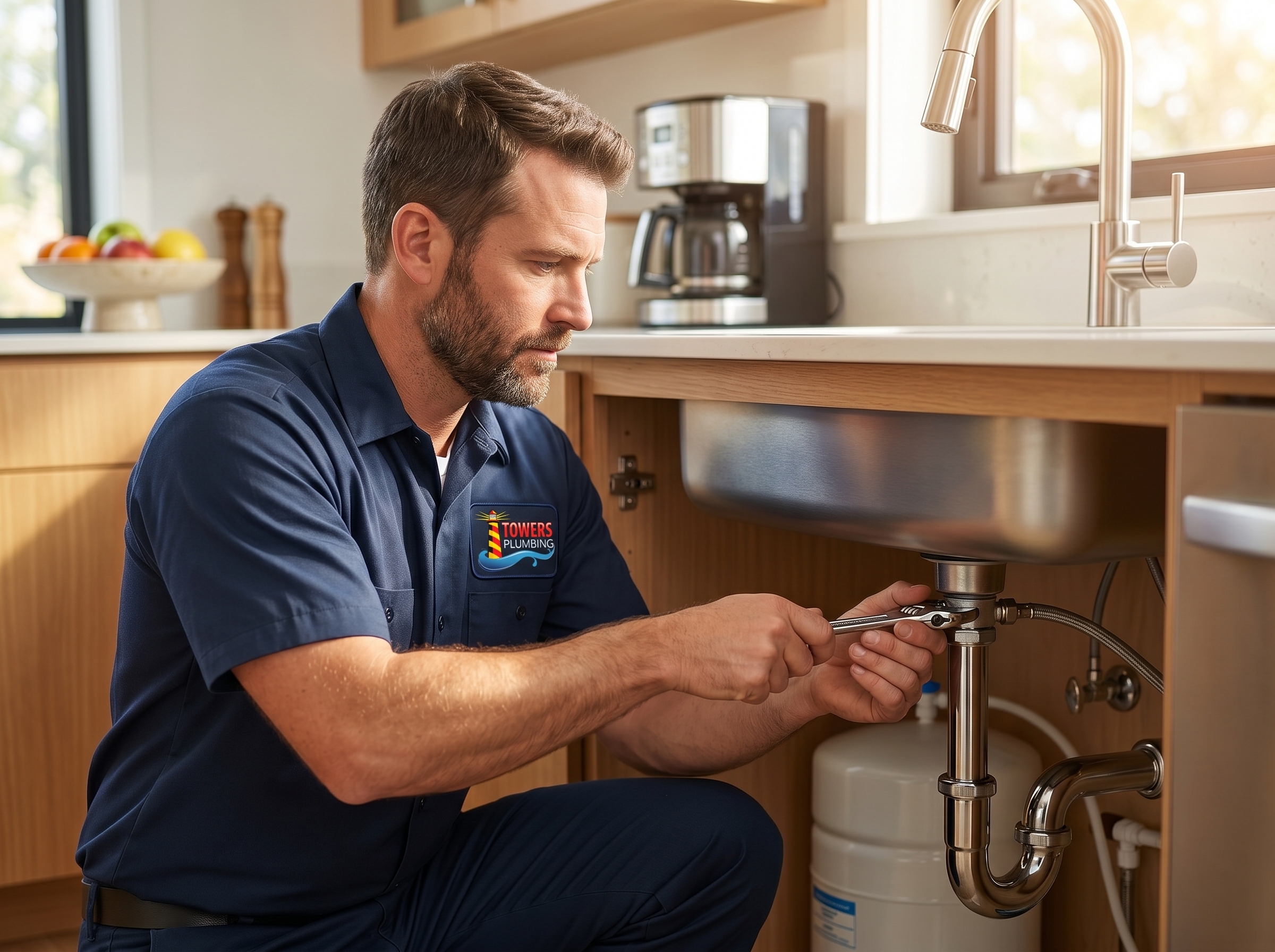
A water-heater installation conversation in Salt Lake City should begin with property facts, not a generic equipment choice. A new water heater can involve the home's existing system, fuel or electrical connections, location, drainage, access, household use, manufacturer information, and other installation-specific conditions. The household can prepare clear questions and records, but should not size equipment, alter connections, remove panels, or make code conclusions from a general article.
This guide does not recommend a specific type of water heater, capacity, price, lifespan, or outcome. It does not provide gas, electrical, plumbing, venting, drainage, or installation instructions. The right option depends on a qualified assessment of the actual Salt Lake City property.
Start with the reason for the conversation
Write down what prompted the installation discussion. Was there a current service concern, a change in household use, an existing recommendation, or a request to understand options? Keep the description factual. A visible symptom or equipment age does not by itself establish that installation is the right next step.
If an earlier service visit occurred, gather the written findings and date. Ask what was observed, what remains uncertain, and how those findings relate to an installation discussion. A property-specific explanation is more useful than an assumption that a symptom always requires new equipment.
If there is a gas odor, smoke, burning smell, water near electrical equipment, active water spread, or another immediate safety concern, step away and seek appropriate help. Do not delay a safety response in order to prepare questions.
Gather accessible information without opening equipment
If a model label is already visible, record the model number, serial number, fuel type, and capacity. Do not remove a cover, move the unit, reach behind it, or access concealed electrical information. A qualified professional can obtain inaccessible details using the correct procedure.
Keep existing manuals, invoices, warranty documents, and prior service records together. These can provide context about installed equipment and past work. Missing documents are not a reason to take apart the system or delay a conversation. The actual property can still be assessed.
The Department of Energy's water-heating guidance provides broad information about water-heating systems. It does not determine what equipment is appropriate for a particular Salt Lake City home or replace an on-site assessment.
Describe the home and access in practical terms
Note where the existing water heater is located: garage, utility room, closet, basement, or another area. Mention practical access facts such as stairs, a gate, pets, a narrow doorway, or stored items. These details help Towers Plumbing plan a conversation and potential visit without asking the household to alter the installation.
If a dry safe route is blocked by ordinary loose belongings, move those items only. Do not move equipment, disconnect anything, remove venting, change pipes, open walls, or modify installed materials. An access note is a planning tool, not a DIY preparation project.
You can also note normal household-use patterns in plain language. For example, record when hot-water use overlaps or whether a recent change in occupancy affected routines. Do not turn that note into a size recommendation. Capacity and configuration decisions require property-specific evaluation.
Ask what must be verified at the property
One useful question is, "What information must be confirmed on site before an installation recommendation can be made?" The answer may involve existing equipment, accessible records, location, connections, household use, manufacturer guidance, and conditions found during evaluation.
Ask what the proposed option is intended to address and which assumptions it depends on. This invites a clear explanation without asking for a guarantee. A responsible recommendation should explain what is known, what remains unknown, and why the next step fits the property.
Avoid requests for a universal answer such as a fixed size, a guaranteed performance result, or a general replacement rule. Homes differ in installation, access, hot-water use, equipment, plumbing, and many other conditions. A general article cannot make a safe selection.
Keep technical work out of the household checklist
Do not open equipment, remove access panels, reset breakers, adjust gas equipment, drain a tank, change valves, or touch electrical connections. Do not use a general blog to evaluate venting, drainage, clearance, code, or compatibility. These details require appropriate professional assessment.
Do not cap, plug, or modify a relief valve. Do not treat a drain pan as evidence that active water is resolved. These components have property-specific roles and must not be adjusted to prepare for an installation conversation.
If a condition is unsafe or inaccessible, say that during the call. Missing information is valuable when it protects the household from risky inspection or equipment work.
Prepare questions about the next step
During the conversation, ask what will be evaluated, what records are helpful, and what should remain untouched. If installation is discussed, ask how the professional will confirm that the option is appropriate for the existing property. Ask for the reasoning in clear language and for any relevant property-specific follow-up.
You may also ask what access information will help the visit. The answer should not require the household to disconnect equipment or modify the home. A clear route, accurate location note, and safely accessible documents are enough preparation.
Avoid asking a blog to establish price, timeline, response time, financing, code compliance, or an outcome guarantee. Those details can vary and should be addressed through the actual service process for the property.
Keep the recommendation with its evidence
After a professional visit, save the date, findings, and property-specific guidance with the earlier records. Keep household observations separate from professional conclusions. This creates a clearer history if another question arises later.
If the recommendation changes after new information is verified, retain both notes. The sequence shows why the decision was updated and avoids treating an early possibility as a final answer. An installation decision should remain tied to current evidence at the Salt Lake City home.
A measured next step in Salt Lake City
For a water-heater installation conversation in Salt Lake City, the best preparation is a factual record, safe access information, and clear questions. Towers Plumbing can assess the actual property and explain appropriate options. At editorial review, this post may link to water-heater service only after the live destination is confirmed.
Until then, leave technical components untouched, avoid sizing or installation assumptions, and let a qualified assessment guide the decision.
Keep later changes in the same record
If new information appears before the assessment, add a dated note rather than replacing the original reason for the conversation. Record what changed during normal use, which fixture or area was involved, and whether the earlier concern remains. Do not treat a changed pattern as proof that installation is required or that the original condition has resolved.
Keep household observations, accessible documents, and professional findings together but clearly labeled. This lets a later reader distinguish what the household noticed from what was verified after direct evaluation. It also prevents a general installation topic from becoming a substitute for current property information.
Keep access preparation safe and limited
On the day of a visit, make sure the route to the existing equipment is dry and clear of ordinary loose belongings. Mention gates, stairs, pets, a closet, garage, or other access limits. Do not move the water heater, alter piping, disconnect anything, or remove installed materials to make more room.
This modest preparation helps Towers Plumbing begin a property-specific conversation while preserving the installation as found. The qualified professional can decide what access, verification, and next step are appropriate for the actual Salt Lake City home.