
A sewer backup in Ogden can start with a summer thunderstorm. Heavy rain moves in, and minutes later dark water rises out of the basement floor drain. A few calm steps protect your family, limit the damage and help pinpoint the cause. Here is how storm water ends up in a sewer line, how to tell a private clog from a city main problem, and what to do next.
How a Summer Storm Causes a Sewer Backup
Northern Utah summers are mostly hot and dry. In some years, though, July and August bring monsoon thunderstorms that can drop heavy rain in a short time. Sanitary sewers are built to carry wastewater from homes, plus limited amounts of stormwater and groundwater. The EPA's page on sanitary sewer overflows lists sewer defects that let stormwater and groundwater overload the system as one cause. It also notes that overflows can back up into homes.
Rain gets in through cracked pipes, loose joints, manhole lids, and downspouts or yard drains improperly tied into the sewer. When the flow outruns what the pipe can carry, the line fills and pressurizes, which plumbers call a surcharge. Wastewater then rises out of the lowest open drain it can reach, often the basement floor drain, a basement shower or a lower-level toilet.
Private-Side Clog or a City Main Problem?
Your home connects to the public main through a pipe called the sewer lateral. Who maintains which part of it varies by city, but timing and scope tell you a lot.
- Signs of a private-side problem: backups on dry days, water rising when your own washer drains or a toilet flushes, and neighbors with no trouble. Roots, grease, wipes, a sagging section or an offset joint in your lateral are typical causes, and drain cleaning is usually the first step.
- Signs of a municipal issue: water rising during heavy rain while no one in the house is using water, neighbors reporting the same thing, and drains returning to normal after the storm passes.
The two can overlap. A cracked lateral can take in rainwater soaking through the soil during a storm, and a partial clog may only show itself when extra flow arrives.
First Steps and What You Can Check Safely
Stop using water right away. Tell everyone not to flush, shower, run the dishwasher or start laundry. During a sewer backup, any water you send down the drains comes out at the lowest opening.
Then check from a safe distance:
- Lowest drains: look at the floor drain, basement shower, laundry standpipe and any lower-level toilet. Note which have water and whether it is rising.
- Gurgling and odor: a toilet that bubbles or a drain that smells of sewage means air and water are being pushed back up the line.
- Neighbors: ask whether homes on your street have the same problem, which points toward the main.
- Timing: write down when the water appeared and whether it lined up with the heaviest rain.
An Ogden Scenario You Might Recognize
Picture a family whose basement floor drain has behaved for years. One July evening, a monsoon thunderstorm passes over Ogden. Within half an hour, gray water with a sewage smell seeps up from the floor drain, though no one is using water. The basement toilet gurgles. After the rain stops, the water slowly drains back down, and on dry days every fixture works normally.
That pattern points away from a simple clog inside the house. A sewer backup that rises with the storm and falls when it passes suggests overload from downstream: a surcharged public main, or storm water leaking into a cracked lateral. A neighbor with the same problem would tilt the answer toward the main. A sewer camera inspection would show whether cracks, roots or a sag play a part.
Cleanup Hygiene and Records for Insurance
Water from a sewer backup is not clean water. The EPA's guidance on returning to a flooded home says items touched by flood water can carry bacteria and mold spores. It recommends rubber gloves, pants and sturdy shoes for cleanup.
The EPA guide to mold and moisture adds that damage caused by sewage calls for a professional experienced with contaminated water, and that drying within 24 to 48 hours helps prevent mold. Ready.gov adds that children should not take part in cleanup work.
Call your insurance agent early and ask what they need from you before anything is cleaned or thrown out. The federal flood insurance program's page on how to document damage recommends wide and close-up photos and video, serial numbers from damaged appliances, and small samples of damaged materials. Your agent can explain how your policy treats water that backs up through a drain.
Would a Backwater Valve Help Your Home?
A backwater valve is a check valve on the main building drain. It lets wastewater leave the house and closes when flow reverses, so water from a surcharged main cannot climb into the basement. Ready.gov's flood preparation page lists installing check valves among the steps that help protect a home.
It is not right for every home, and the trade-offs are worth weighing with a plumber. While the valve is closed, water used inside the house cannot leave, so it can rise out of the basement drains the valve was meant to protect. The valve also needs an accessible spot and periodic cleaning so debris does not hold the flap open. Local permit rules may apply.
A plumber can review your layout, the depth of your lateral and your sewer backup history before you decide.
Safety Notes
- Stay out of water near electricity: if water is near outlets, cords, the electrical panel or the furnace, do not wade in or touch anything electrical.
- Get out if there is danger: if you smell gas, see sparking or notice a burning smell, get everyone outside, then call 911 or the gas utility's emergency line from outside.
- Wear protective gear: rubber gloves, long pants and sturdy boots, plus eye protection if splashing is possible.
- Leave cleanout caps closed: a pressurized line can spray sewage when a cap is loosened.
- Skip chemical drain openers: they do not clear a surcharge and make later work on the line more hazardous.
- Wash up afterward: use soap and clean water after contact, and launder work clothes separately.
When to Call a Professional
Call right away if sewage is still rising, if more than one drain is affected, or if the sewer backup returns after the storm. Call as well when the lowest drains back up on dry days, since that points to a problem in your own line rather than the city's.
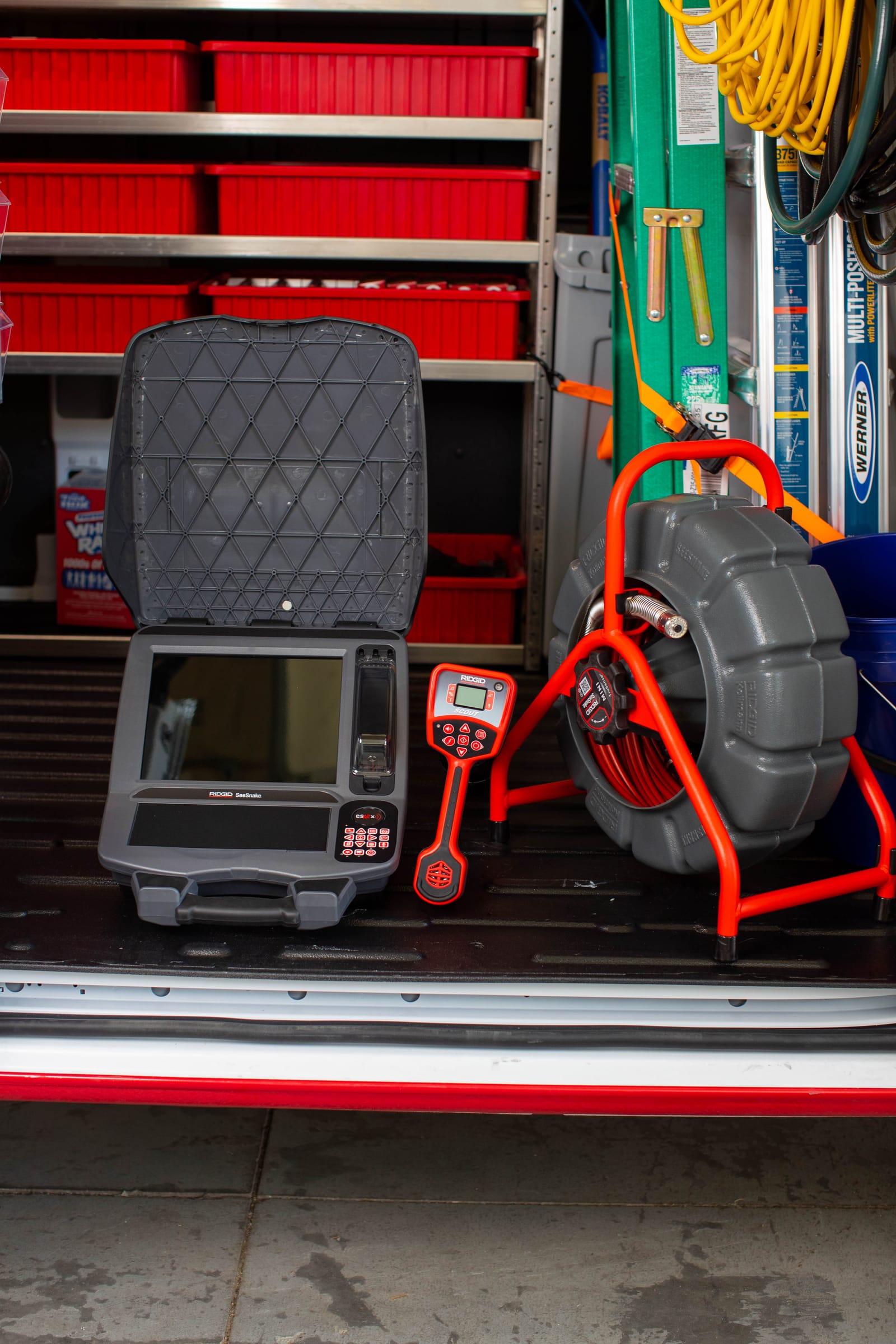
A plumber can clear a private-side blockage, then run a camera through the lateral to find roots, cracks, sags or offset joints. If it shows a broken or collapsed section, main sewer line repair may be needed to stop repeat backups. If neighbors had the same trouble, report it to the city as well.
Towers Plumbing can help sort out whether the problem sits in your line or in the public main, which matters for both the repair and your insurance conversation. Our Ogden service area page has more on local service.
Frequently Asked Questions
Why does my basement drain back up only when it rains hard?
Heavy rain can overload the sewer through cracks, loose joints and improper connections, and water then rises to the lowest drain. A cracked lateral on your own property can also take in storm water, so a camera inspection is the way to know.
Is a sewer backup my responsibility or the city's?
It depends on where the problem is, and the rules differ from city to city. Before assuming either way, ask the city how it handles backup reports, and ask your insurance agent how your policy applies.
Can I clean up a sewer backup myself?
The EPA recommends a professional experienced with contaminated water when sewage caused the damage. Until help arrives, keep others away, wear protective gear if you must enter, and photograph everything for your insurer.
Your Next Step After a Sewer Backup
Once the water stops rising, gather a few details before you call. Note when the backup started, which drains overflowed, whether the rain was heavy at the time and whether any neighbors had the same problem. Write down anything unusual in the weeks before, such as slow drains or a gurgling toilet, and mention the age of the house and any past sewer work.
Keep water use to a minimum until the line has been checked. Then reach Towers Plumbing through our contact page. With your notes in hand, a technician can focus on the most likely cause, clear the line if it is blocked, and explain what the camera shows before any repair begins.