
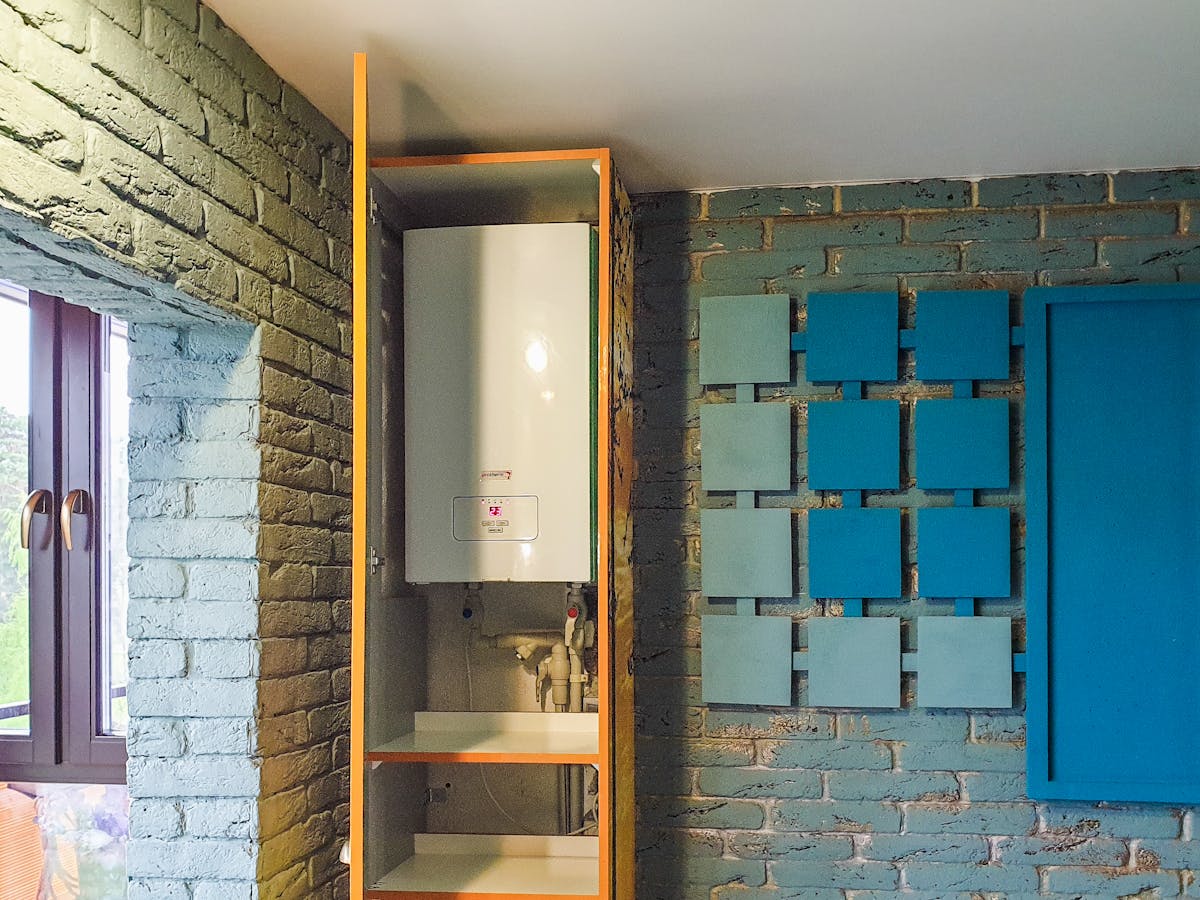
Rusty hot water in a Murray home is unsettling. You fill the tub, and the water comes out tea-colored, orange or brown. Where the color shows up, on the hot side only or on both taps, points to either the water heater or the pipes and supply. Here is how the rust gets there, what you can check safely, and when a tank is near the end.
How Rust Ends Up in Your Hot Water
A standard tank water heater is a steel tank with a glass lining fused to the inside. That lining has tiny gaps, especially around fittings and welds. To protect the bare steel at those spots, the tank holds a sacrificial anode rod, a metal rod that corrodes first so the tank does not.
One manufacturer's water heater maintenance guide says these rods are aluminum, magnesium or zinc, and their life depends on water chemistry, hot water use and whether a softener is installed.
Once the rod is used up, the exposed steel starts to rust instead, and rusty hot water often follows. The USGS adds that heating hard water in a home water heater can form calcium carbonate deposits, and that sediment can trap rust flakes on the tank bottom.
Hot Only or Hot and Cold? A Simple Test
Comparing the two sides of your plumbing narrows the source fast. Use a white cup so the color is easy to judge.
- Cold first: run only the cold tap at a tub or laundry sink for a minute, then fill a cup.
- Hot next: run only the hot tap at the same fixture, then fill a second cup.
- Try another fixture: repeat the test at a sink on a different floor.
- Note the timing: check whether the color fades after a minute or stays.
If only the hot cup is discolored at every fixture, the water heater is the prime suspect. If both cups are tinted, look at the pipes or the water coming into the house. If one faucet is the only problem, the cause is likely local to that fixture or its branch of pipe.
When Old Pipes or the Supply Are the Source
Some older homes in Murray still have galvanized steel supply pipe. Its zinc coating wears away over decades, and the steel beneath it corrodes. Rust builds up as rough scale inside the pipe, and pieces break loose when the flow changes. Because hot and cold lines are often both galvanized, the color shows up on both taps, sometimes with weak pressure.
The EPA's guidance on nuisance chemicals links iron above 0.3 mg/L to rusty color, sediment, metallic taste and reddish or orange staining. It also notes that corrosion of iron and copper can stain fixtures and tint water.
Brief discoloration on both sides that clears after running a cold tap may come from the supply itself, such as after nearby main work. Persistent rust on both sides, especially with low pressure, points toward whole-home repiping as the long-term fix.
Flushing the Tank and Checking the Anode Rod
When the test points to the water heater, a flush and an anode inspection help confirm it.
Flushing drains sediment from the tank bottom. Following the guide linked above, turn off the power or gas, let the water cool for a few hours, and shut the cold supply. Run a garden hose from the drain valve to a floor drain and open a hot tap to let air in. When the water runs clear, close the valve and refill completely before restoring power or gas.
The anode rod sits under a hex head on top of the tank or inside the hot outlet fitting. Checking it means relieving pressure, draining a few gallons and loosening a rod that is often very tight. A rod that is thin, pitted or down to its steel core wire is spent, and the same guide recommends inspecting it once a year. If it will not budge, leave it for water heater service.
A Murray Scenario You Might Recognize
Picture a family in an older Murray home whose morning showers start out tea-colored for the first half minute. The cold taps run clear everywhere. When the tub fills with hot water, a faint orange tint settles at the bottom, and the tank in the basement rumbles while it heats. On top of the tank, the hot outlet fitting has a crust of rust around it.
That pattern points to the water heater, not the pipes or the supply. Hot-only rusty hot water at every fixture means the color is picked up inside the tank. The rumbling suggests sediment, and the crusty fitting hints at corrosion where the pipe meets the tank. Together, they point to a spent anode rod and an aging tank that needs a flush, an anode check and a close look at its base.
Safety Notes
- Let the water cool: tank water can scald, so turn the heater off for a few hours before draining, and wear gloves and eye protection.
- Shut off power or gas first: switch off the breaker for an electric heater, or turn the gas control to off.
- Refill before restarting: an electric tank must be completely full before power returns, or the upper element can burn out.
- Aim the hose carefully: hot, gritty water belongs in a floor drain, not across the basement floor.
- Do not force stuck parts: a seized anode or brittle plastic drain valve can crack and leak.
- If you smell gas: get everyone outside, then call 911 or the gas utility's emergency line from outside.
- Hold off on white laundry: rusty hot water can stain fabric, so wait until it clears.
When to Call a Professional
A spent anode rod can be replaced, but a tank that is rusting through cannot be repaired. Call when you notice any of these signs of a failing tank:
- Water around the base: one manufacturer's list of water heater warning signs notes that pooling water around the tank body often means internal corrosion has eaten through the metal.
- Rust at the fittings: crust at the inlet, outlet, relief valve or drain valve shows corrosion at the weakest points.
- Color that keeps coming back: if rusty hot water returns soon after a flush, the same list says persistent discoloration usually suggests a heater near the end of its lifespan.
- A stuck anode rod: forcing a seized rod can twist the tank and strain its pipe connections.
Rust on both hot and cold taps throughout the house, especially with low pressure, calls for an inspection of the supply piping.
If the tint comes from sediment in the incoming water rather than your own tank or pipes, water filtration can catch particles before they reach fixtures. To have Towers Plumbing sort out which problem you have, schedule a visit and bring your test notes.
Frequently Asked Questions
Why is only my hot water rusty?
When the cold side runs clear and the hot side is tinted at every fixture, the color is most likely picked up inside the water heater. A spent anode rod, rusty fittings or rusty sediment are the usual causes.
Can a new anode rod fix rusty hot water?
Sometimes. The warning-signs list linked above notes that some discoloration issues can be resolved with maintenance or a new anode rod. If the tank walls are badly corroded or leaking, a new rod will not save the tank.
Why is the water rusty only in the morning?
Water that sits overnight in old galvanized pipe or a corroding tank picks up more rust. The first draw carries it out, then the color fades, so test both taps to find the side.
Does a water filter fix rusty hot water?
A sediment filter on the main line can catch particles from the supply, but it cannot stop corrosion inside your tank or pipes.
Your Next Step for Rusty Hot Water in Murray
Before you call, run the two-cup test and write down what you see. Note whether the color appears on the hot side only or on both, at one fixture or all of them, and whether it fades after a minute.
Take a photo of the top of the water heater and the floor around it, and note the tank's age from its label if you can. Mention any low pressure, rumbling while the tank heats, or recent plumbing work in the house.
Then reach Towers Plumbing through our contact page, or visit our Murray service area page. With your notes in hand, a technician can go straight to the likely source, confirm it, and explain the options before any work begins.