
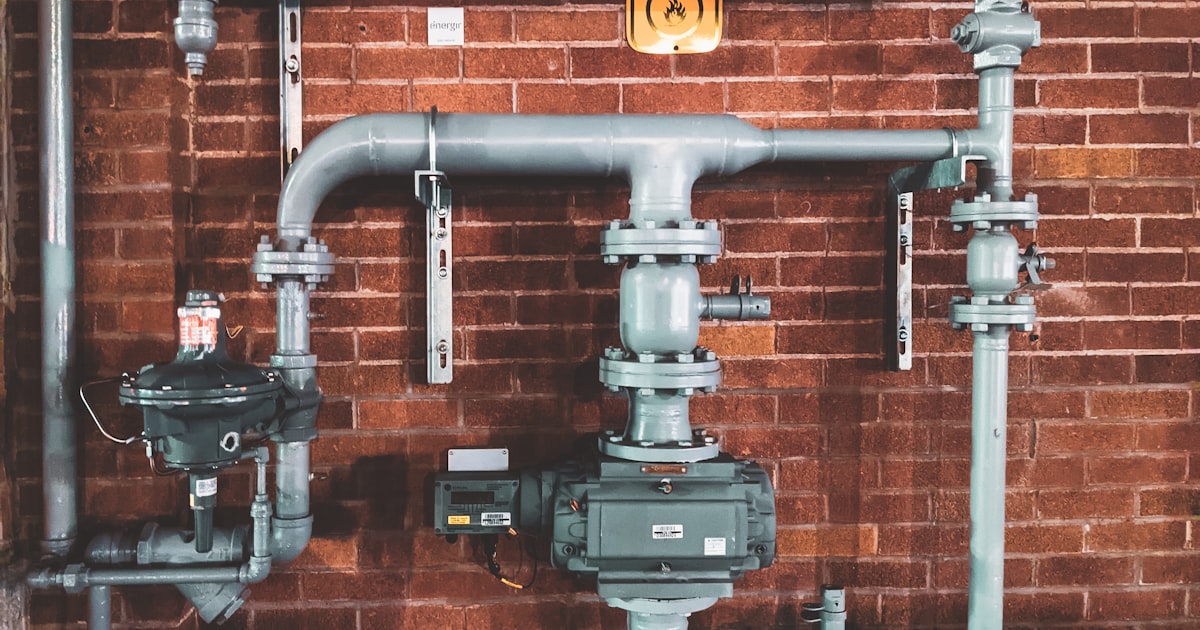
A plumbing emergency in Draper can be disruptive because conditions can change while a household is trying to decide what happened. The most useful first response is to protect people and record only facts that can be observed safely. A burst line, active water, sewer-related symptom, fixture overflow, or another concern does not become a DIY diagnosis because it has a familiar name online.
Do not enter a wet electrical area, open walls, use sewer machinery, handle gas or electrical equipment, force an unfamiliar valve, or take apart plumbing to locate a source. If water is spreading, an electrical area is wet, there is a burning smell, a gas odor, or safety is uncertain, step back and seek appropriate emergency or professional help.
Start with the safety boundary
Before taking a photo or making notes, decide whether the location is safe. Water around electrical equipment or outlets creates a clear reason to avoid the area. The Consumer Product Safety Commission's electrical safety guidance supports keeping distance from wet electrical conditions. It cannot determine the source of water in a particular Draper home.
Do not spend time trying to identify a pipe, remove a cover, or follow water into a concealed area. A professional needs the actual conditions to determine the source. The household's job is to avoid turning a plumbing concern into an additional safety problem.
If a known, accessible shutoff has been used safely before, follow established household instructions. If a valve is unfamiliar, damaged, obstructed, or requires force, do not make it a test. Report what you know and leave the decision to the professional.
Describe what happened without naming the cause
Use everyday language. Note where water, odor, backup, or another symptom was noticed. Say whether it is active, intermittent, or unchanged. Include the approximate time it began and what normal use was occurring nearby.
Avoid conclusions such as "the main line failed," "the sewer has roots," or "a pipe burst behind the wall." Those statements may or may not prove correct after an assessment. Better notes say, "Water was visible near the laundry area," or "A drain backed up while the fixture was in normal use."
This distinction gives Towers Plumbing a more accurate starting point. It also avoids directing a response toward a theory that has not been verified.
Make a concise observation list
Once the area is safe to observe from a distance, write down the facts:
- When the condition was first noticed
- Which room, fixture, or area is involved
- Whether water is active, spreading, or no longer visible
- Any odor, sound, or visible change
- What normal use occurred before the concern
- Whether another fixture or room appears affected
- Any known, safely accessible shutoff information
Take a wide photo only if it can be done without stepping into water, moving equipment, or approaching electrical components. A wide view can show location and context. It does not need to prove the cause.
If the problem is intermittent, include that. A symptom that seems to stop can still be useful evidence. Do not run water repeatedly, flush fixtures over and over, or restart appliances just to make the issue happen again.
Protect electrical, gas, and concealed areas
Plumbing emergencies can overlap with other systems. Do not reach behind appliances, open a wall, lift flooring, or remove access panels to see more. Do not reset a breaker, touch wiring, or use powered equipment near water. Do not handle gas equipment or assume a smell is related to plumbing.
These boundaries do not mean the concern is unimportant. They make it easier for the service professional to evaluate the original condition without new hazards or altered evidence. If a safe photo or simple timeline is unavailable, say so. Safety information is more valuable than a detailed but risky record.
Keep sewer symptoms factual
If the concern includes a drain or sewer symptom, describe which fixture or area was affected and what was observed. Do not claim that tree roots, a blockage type, or a line condition is responsible from a symptom alone. Do not use a snake, chemical treatment, or a homemade tool to force a conclusion.
Sewer and drain conditions can require appropriate equipment and judgment. A general post cannot tell a household which access point, procedure, or repair applies. Preserve the facts and let the assessment determine the next action.
Prepare the emergency service conversation
When contacting Towers Plumbing, lead with the immediate safety facts: active water, electrical exposure, gas odor, burning smell, or conditions that make the area inaccessible. Then share the location, timeline, safely observed facts, and known shutoff information.
Tell the team about access constraints such as stairs, a locked gate, pets, or a tight utility area. If a dry, clear route can be made by moving ordinary loose items, that can help. Do not alter installed plumbing or equipment to create access.
Ask what should remain untouched before the visit. The service response should be based on the actual Draper property and its observed conditions, not on a remote promise about the source or outcome.
A measured next step in Draper
A plumbing emergency in Draper deserves a calm, safety-first handoff. Towers Plumbing can evaluate the property and explain appropriate options. For editorial review, this post may link to emergency plumbing service only after the live destination is confirmed.
Until then, protect people, keep observations factual, and avoid opening, forcing, or testing systems that require professional evaluation.
Keep the timeline useful after the first call
If the situation is safe and a change occurs after the first call, add the time and a short description to the same note. For example, record whether the visible water changed location, whether another fixture showed a similar symptom, or whether the original condition remained unchanged. Do not interpret the change as proof of a source. The point is to give the service team an accurate sequence.
It can help to keep the household's actions in the same timeline. Note that a known accessible shutoff was used only if that occurred, or that the area was left untouched because it was unsafe. This makes clear what happened before professional arrival without asking anyone to perform an unfamiliar task.
Avoid cleanup that hides the area before it can be evaluated when doing so is safe to avoid. If water must be managed for immediate safety, explain what was done and why. Never remain in a hazardous area to preserve evidence. A clear account of a necessary safety action is more useful than a risky attempt to leave everything unchanged.
Give the service team an honest access picture
Before help arrives, communicate whether the concern is behind a locked door, near a pet, below stairs, or in a room with limited space. Move only ordinary loose belongings that can be moved from a dry, safe path. Do not disconnect an appliance, remove a toilet, open a wall, or alter plumbing to make the location easier to inspect.
This modest preparation helps the visit begin efficiently while preserving the condition. It also helps avoid an unhelpful expectation that an emergency article should tell every household exactly what to turn, remove, or repair. The actual layout and source must guide that decision.